Resources

Organic Lawn Care Advice for North Texas

Practical advice on soil, watering, weeds, pests and seasonal care — from the team that has been treating DFW lawns since 1997.

  • 3 Things You Need to Know About Organic Lawn Fertilizers

    3 Things You Need to Know About Organic Lawn Fertilizers

    Everyone wants to be able to keep a lush and beautiful lawn. This isn’t always easy, however. There are tons of things to worry about, from weeds to the soil to wildlife. The advice on how to handle these issues can be overwhelming. One piece of advice that is incredibly important, though, is to invest in organic lawn fertilizers. Choosing an organic fertilizer is a great investment for your lawn and the environment at large. But what exactly are the benefits of using organic lawn fertilizers?
  • Understanding Different Kinds Of Ingredients In Organic Fertilizers

    Understanding Different Kinds Of Ingredients In Organic Fertilizers

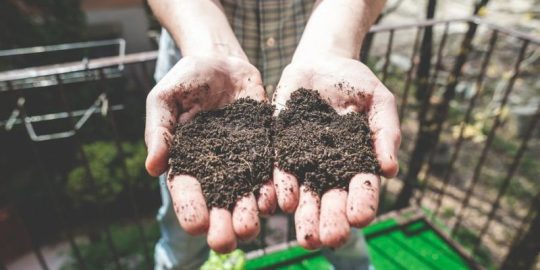
    There’s beauty in a home that has a well-maintained lawn. In fact, studies show that 60% of potential home buyers believe that a well-landscaped yard helps to influence the home buying process. One of the best items for a lawn during landscaping season is organic fertilizers. However, when it comes to naming the ingredients in many of them, people have no idea. Let’s explore some of the most common ingredients that can be found in organic fertilizers and how those ingredients help strengthen a lawn.

  • Looking To Take Control Of Your Lawn’s Weeds On Your Own?

    Looking To Take Control Of Your Lawn’s Weeds On Your Own?

    According to statistics, an estimated 67% of lawn and landscaping projects in the country involve single-family residential homes. Much of that involves homeowners who are looking to get rid of pesky and irritating weeds. Lots of homeowners will engage in DIY weed control. This can result in damage to an otherwise healthy lawn. Let’s look at some of the setbacks of DIY weed control efforts and why professional organic weed control services are best when it comes to preserving your lawn.

  • Best Natural Lawn Care Tips for Spring

    Best Natural Lawn Care Tips for Spring

    With spring’s arrival, it’s time to get your yard in optimal shape. Approximately half of the homeowners who spruce up their outdoor spaces spend at least six hours or more per week there. Since you plan to spend more time outdoors, you can either do this work yourself or hire professional natural lawn care services. If you decide to take on the work yourself, here are the best natural lawn care tips for spring to get your yard in the best shape possible.

  • Questions You Should Ask Your Organic Lawn Service Provider

    Questions You Should Ask Your Organic Lawn Service Provider

    Organic lawn care services are becoming increasingly popular. Additionally, there are so many benefits to landscaping and maintaining your home’s lawn. Not only does your home look more uniformed and attractive, but a beautiful lawn can even increase the value of your property. In fact, studies show that roughly 90% of real estate agents encourage homeowners to invest in lawn and landscaping before selling their homes. Let’s examine some questions you should ask organic lawn care services before signing any contract.

  • Why You Should Choose an Organic Weed Control Service

    Why You Should Choose an Organic Weed Control Service

    Did you know that almost three out of four Americans think it’s important to spend quality time outdoors in their yard? While the sentiment might be nice, a poorly maintained yard can have a negative impact on your ability to enjoy that outdoor space. This is why it’s so important to put the time and effort into organic lawn care services, which help keep a green lawn, free of brown spots and dirt patches.

  • The Difference Between Chemical and Natural Fertilizer

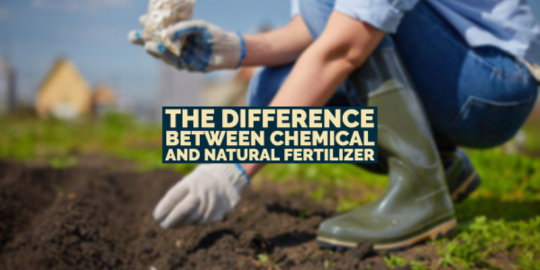
    The Difference Between Chemical and Natural Fertilizer

    Putting the effort into a great lawn is one of the best investments that you can make for your entire home. For starters, a great lawn offers a great chance to enjoy the outdoors and spend time with your family. Secondly, by putting as little as 5% of the value of your home into your lawn you can see a return on investment of as much as 150%. This means, whether you plan on living in your home for the next decade or want to move out, getting your lawn as lush and green as possible is vital to your property maintenance.Most people turn to fertilizer to help get this done. However, there is a divide on whether to use a natural fertilizer or a chemical one. Like anything else in life, there is some give and take here, but most people look at natural fertilizer, also referred to as organic fertilizer. However, it’s worth knowing exactly what each one does.

  • 3 Reasons to Choose Natural Fertilizer Over Chemical Fertilizer

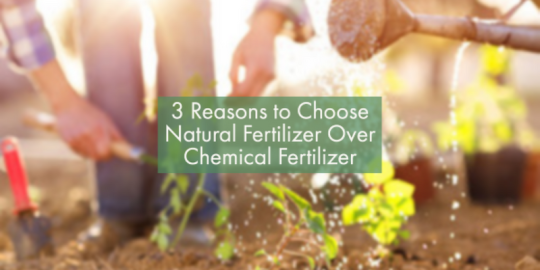
    3 Reasons to Choose Natural Fertilizer Over Chemical Fertilizer

    Everyone wants a beautiful, green lawn. It’s something to take pride in while making your home more aesthetically pleasing than a dead or patchy lawn would be. In fact, a green lawn can have a massive impact on your home’s value and as many as 60% of potential home buyers say that a well-maintained lawn is vital to their home buying decision. Because of all of this, it’s important to maintain a healthy and strong lawn. However, knowing the best way to do this can be confusing, as there are tons of different types of fertilizer and methods to use to maintain a green lawn. That’s why it’s important to remember that using a natural fertilizer is not just more effective than using chemical fertilizer, it’s also better for the environment as a whole.Here’s a look at just a few of the reasons why you should choose a natural fertilizer or liquid compost over an inorganic or chemical fertilizer.

Rather not do it yourself?

No annual contract required — we earn your business each and every day, not just when you sign up. If every American lawn used 80% less herbicide with spot-treatment for weeds, over 20 million fewer pounds of chemicals would be released into the environment each year.