Resources

Organic Lawn Care Advice for North Texas

Practical advice on soil, watering, weeds, pests and seasonal care — from the team that has been treating DFW lawns since 1997.

  • Bringing Life Into Your Garden

    Bringing Life Into Your Garden

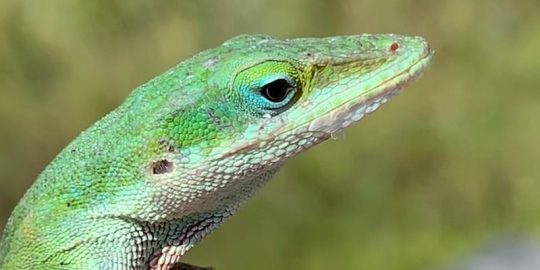
    Once your garden is built, and your plants start growing and filling in, you’ll begin to see life start moving in. When you incorporate a few simple things into your garden, you’ll start attracting butterflies, skippers, (non-stinging) bees, beetles, dragonflies, frogs, lizards, birds, moths, and beneficial insects.If your garden is at a school, it will give kids one more reason to be excited to come to school, helping boost attendance. There’s nothing like a school garden to motivate kids to want to learn on their own, helping them get ready for test days and making your school stand out in the community. In this article we’ll explore all of the life that your DFW garden will help support, to give you a glimpse at what you can expect from your garden in the years to come. Photo Credit: Ty Smith (CC BY-NC). The Green Anole.

  • Neighborhood Wildlife Gardens

    Neighborhood Wildlife Gardens

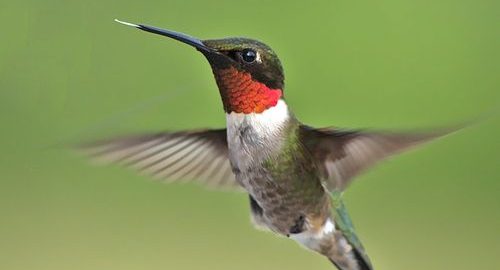
    Ask any Realtor and they'll tell you: homes located close to parks are worth more. That's why most HOAs in DFW have a beautification program. City parks have trees and grass. But it's up to HOAs to add more amenities, to help elevate property values even higher. A butterfly wildlife garden is one way to add more value to your neighborhood. That's why Soils Alive starting in 2026 will begin offering HOA Neighborhood Beautification kits. Our kits include 20 types of drought-tolerant plants to help you easily build a new no-irrigation, pollinator-friendly, wildlife area as a new amenity at your city park.Beautification can get expensive real fast. Walking trails, bike trails, planting trees. Costs can range from $10,000 to $200,000 and beyond. Start small. Talk to your HOA members about a 2000 square foot butterfly garden you could do for under $1500. Check if your city has a matching program, so your HOA members pay $750 and the city helps with the rest, to raise property values helping fund the city.If your HOA is right by a city park with open land (that the city already would like to cut back on irrigation costs), there's no reason why you couldn't ask to put in a wildlife garden to attract hummingbirds, Monarch butterflies, and more. City budgets are tight right now, with a 3.5% cap on tax revenue growth by the State since 2019. Leaders For Local Control is working to make investment easier for cities, not harder. But for now, the contributions your HOA members can pitch in goes a long way to adding beauty to green spaces in your city.

  • Why Build School Gardens?

    Why Build School Gardens?

    Richard Louv published his book, Last Child in the Woods, in 2005. Since then, more and more public schools have realized the importance of providing children with interactive spaces to engage with nature. There are over 3000 school gardens in America today. School gardens provide several benefits: support for children's mental and physical health and improved academic performance. Schools that have incorporated more community gardens into their campuses have popped up across the country, including in Flagstaff, Denver, Seattle, Oakland, Little Rock, Atlanta, Cincinnati, Chicago, and right here in Texas in Austin and Houston, and many schools in the DFW area. Richard Louv describes Nature Deficit Disorder, a phrase he coined, as “the human costs of alienation from nature,” a modern problem that he believes really began in the 1970s. His book inspired the creation of the Children & Nature Network, which has provided support to public schools to bring nature back to their campuses with the Green Schoolyards initiative.

  • How to Build a School Garden

    How to Build a School Garden

    Now that we've looked at why children need school gardens, and how gardens improve academic performance, let's look at how to build the garden in this article. DFW has heavy clay soil in most areas, and so in this guide we're going to avoid the heavy work of doing anything to the existing soil. You'll just cover the existing grass with mulch (and a weed barrier), wait a few months, then come back and plant. Very simple. Very low-cost and it gets the job done. Once you have your installation all planned, feel free to use one of our garden design templates as you think about how you want your school garden to look.

  • Community Garden Designs

    Community Garden Designs

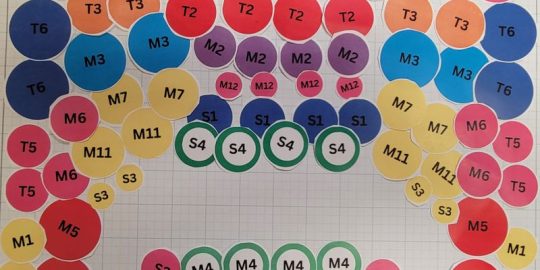
    400 Square Foot Meander Here’s an example of what your garden could look like. Get creative. Use our garden template to create your own design. These plants aren’t like trees. You can dig them up and move them again later on, if you need to. Don’t let perfection be the enemy of the good! It’s...

  • Prevent DFW Lawn Weeds in September

    Prevent DFW Lawn Weeds in September

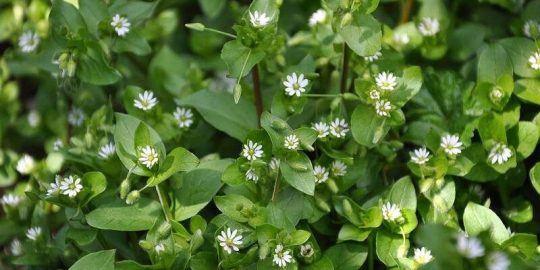
    In DFW, we finally get a break from the heat of summer in September. But your lawn still needs one more thing from you: fall weed prevention. As we move into cooler temperatures, cool-season weeds will start germinating and creeping into the yard. Prevention is a lot easier than treatment, and September is the right time to prevent these weeds in DFW.

  • 25 Plants to Attract Butterflies in DFW

    25 Plants to Attract Butterflies in DFW

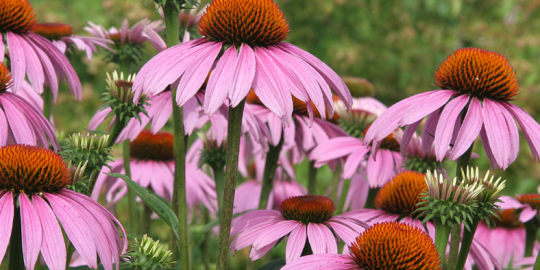
    DFW summers are hot and dry. Outdoor watering in the summertime often contributes to 40%+ of your water bill. In the 25+ years that Soils Alive has been working with DFW homeowners, we've advised many of our clients to update their landscaping with native plants. Native plants are well-adapted to our DFW weather and our heavy clay soils. Plus, when you use native plants, you'll also attract hummingbirds and butterflies.Some of the plants we recommend are native to DFW (or other parts of Texas), while others are not from Texas but are very well adapted to our hot, dry summer conditions. If you're redesigning your entire landscape, we highly recommend Nativo Gardens for their landscape design experience with natives. If you want to start small and put in a 150 square foot wildlife garden, we sell trays of 20, 4" plants through Parent-Teacher Associations (PTAs) in DFW to help them raise money for their schools and you get access to high-quality perennial plants. Our trays of 20 plants provide you with 8 or more different types in a random mix, based on what's in stock and of highest quality. Here's the 25 plants we highly recommend for DFW homeowners.

  • Building Your Butterfly Garden at Home

    Building Your Butterfly Garden at Home

    In this guide, we'll show you how to design your butterfly garden, how to prepare your site, and take care of the plants. We'll show you how to create your garden DIY with $100 for plants and about $50 for other materials. Or hire someone for another $150 to help you build it.

Rather not do it yourself?

No annual contract required — we earn your business each and every day, not just when you sign up. If every American lawn used 80% less herbicide with spot-treatment for weeds, over 20 million fewer pounds of chemicals would be released into the environment each year.