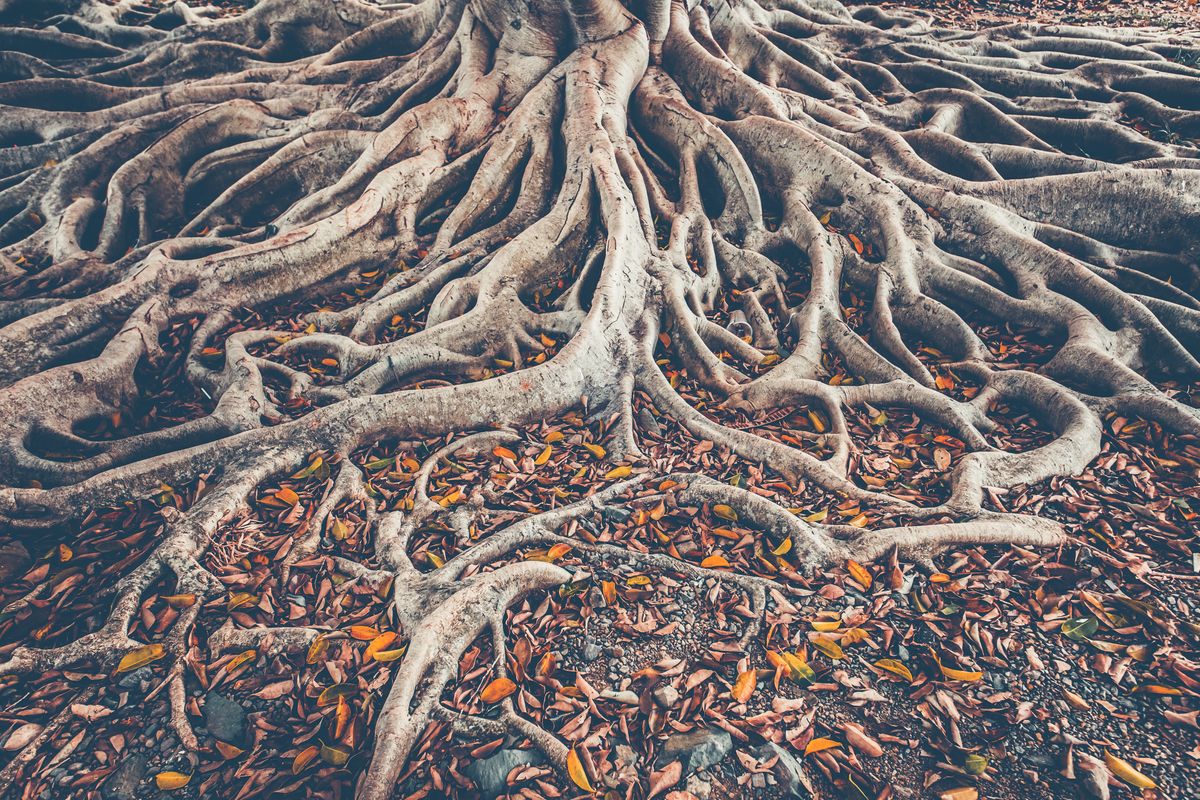
A shade tree can add $20,000 (or more) to your home's value. Why wait for a tree disease to cause damage, when preventative care costs so much less? Trees naturally thrive in a healthy environment, but here in our urban environments, because of damaged soil health, our shade trees may need a little extra help from us. A deep root feeding for your tree will feed the soil, which supports "nature's soil internet" that tree roots tap into to reduce stress during drought and access nutrients to avoid vulnerability to disease.
Preventative Tree Health Care
Why Mushrooms After Rain?
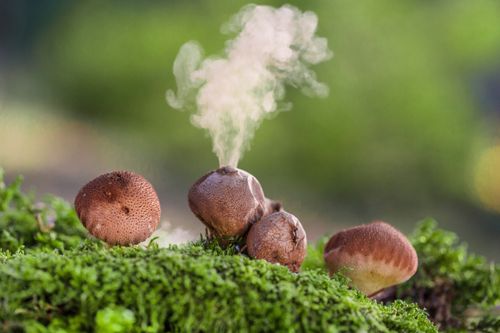
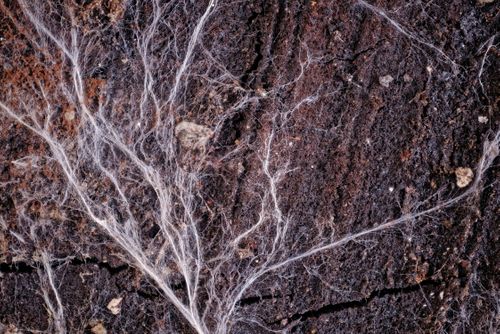
After a heavy rain, do you notice mushrooms popping up in your lawn? Those are the fruiting bodies of the underground network of the body of the mushroom, which is made up of thin filaments that create a web-like structure throughout the soil, known as fungal hyphae.
The mushrooms themselves, that we see after rain, are just what release the spores so that the mushroom can spread to other locations after rain, when humidity and soil moisture are high. They're sort of like a plant's flower....only a very small part of the entire organism! The underground network of mushroom "roots" is called mycelium. Over 80% of plants have a win-win relationship with a certain type of fungus known as mycorrhizae, giving the fungus sugars in exchange for its help accessing moisture and nutrients in the soil.
Nature's Soil Internet
Did you know tree roots rely on beneficial fungi in the soil to help tap moisture and nutrients? Some fungi cause diseases in trees, but other types of fungi help support tree health. Without healthy soil, tree roots cannot access this "soil internet," depriving them of lifegiving nutrients and moisture, making them vulnerable to insect and disease attack. Just like taking a multivitamin or adding probiotics to your diet to feed your gut health, by feeding the soil you support healthy soil life, giving your trees better access to moisture and nutrients to stay healthy, lush, and thriving.
Trees rely on their relationship with mycorrhizae to access "nature's internet" and draw in more water and nutrients to remain healthy, even during drought conditions. In fact, as a result of this win-win relationship, tree roots are able to extend their network by 200x, giving the fungi sugar in exchange for the help that the fungi provides to the tree.
What is good for the mycorrhizal fungi is good for the tree. Anything that harms the fungi will harm the tree. It's hard to say where the tree ends and the fungus begins, because the fungus actually embeds itself into the roots! Without this win-win relationship, the tree could not thrive. The health of the tree is determined by the soil it grows in, and how well that soil is cared for.
Feed The Soil, Feed the Roots
A tree growing in damaged, neglected soil is going to struggle more than a tree supported by living soil that has all the beneficial fungi and microbes required to support healthy roots. Soil that has been damaged by excessive, harsh chemicals does not allow beneficial fungi to thrive, and that results in compromised tree health.
Avoid using excessive fungicides and herbicides, which can kill off the soil life that supports tree health. Synthetic, high-salt fertilizers applied to the lawn under a shade tree can also disrupt soil life and harm earthworms, which naturally help loosen up compacted soil over time, letting more oxygen and water into the soil.
Deep Root Feeding for Trees
In North Texas, our Blackland Prairie clay has a high pH. It is alkaline, in comparison to acid soils in East Texas with low pH. Because our DFW soil has an alkaline pH, some micronutrients are unavailable or harder for plant roots to access, even if those nutrients are in the soil. Mycorrhizal fungi actually secretes an acid which modifies the soil pH, to capture micronutrients and deliver them to the tree roots. That's why simply adding nutrients to the soil, without supporting soil life, may not actually deliver results. It's not the nutrient that is lacking; it is the availability of that nutrient, because of the pH. Supporting mycorrhizal fungi will help unlock the nutrients for your tree roots.
Soils Alive offers a deep root feeding program for trees to deliver a biostimulant of seaweed extracts, molasses, humates, and beneficial microbes to recharge the soil life at the root zone. Our deep root feeding does not overload the tree with excessive NPK (because this could disrupt the tree-fungal symbiosis) but instead provides natural sources of micronutrients that are involved in tree preventative health including Iron, Boron, Manganese, Zinc, Copper, Molybdenum, and others. If you have big or small trees in your landscape and want to give them the best soil conditions to thrive, a deep root feeding can help unlock and make bioavailable the nutrients they need to thrive.