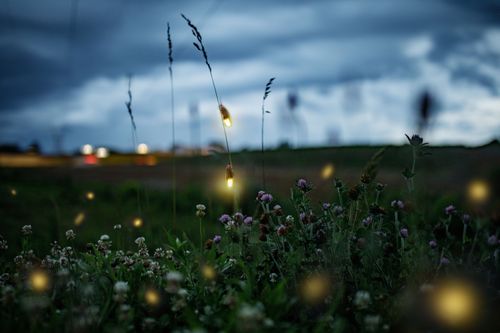
Adult mosquitos only live about 30 days. They constantly rely on the survival of their eggs to hatch into new adults. Breaking the lifecycle keeps the mosquito bite away all summer. An organic approach is eco-friendly, pet-safe, and worry-free.....all while protecting the "good insects" that we want to visit our gardens, like bumblebees, honeybees, fireflies, and other pollinating insects.
Mosquito Control....Without the Chemicals
The Endless War
Mosquitos and humans have been at war for thousands of years. While malaria was eradicated in the US by the 1940s, diseases like West Nile Virus and Zika continue to be very real concerns here in North Texas. In fact, the Texas Health and Human Services estimates that 1 in 5 people who are bit by a mosquito carrying the Zika virus will go on to develop symptoms of the disease (thankfully, 80% remain symptom free).
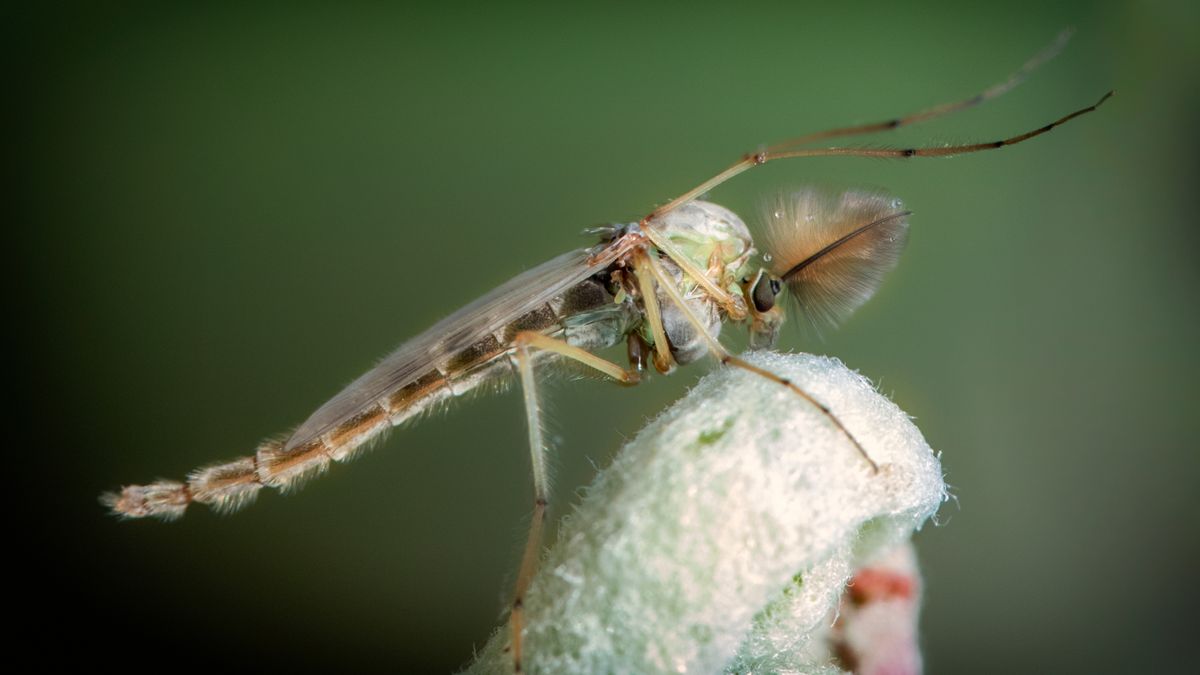
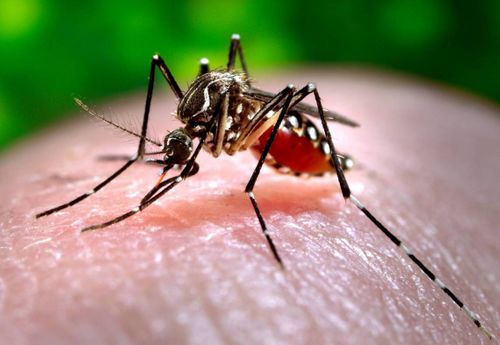
Here in North Texas, our two most common mosquitos include the Southern House Mosquito (Culex quinquefasciatus), a primary West Nile virus carrier, and Yellow Fever Mosquito (Aedes aegypti) known to carry Zika, dengue, and chikungunya viruses. Fun fact: the image above is actually of a Midge, most of which do not bite. Want to attract more birds, spiders, and dragonflies to your garden? Midges are a primary food source for all these critters that we want to avoid harming with insecticides.
Plant Allies and Essential Oils
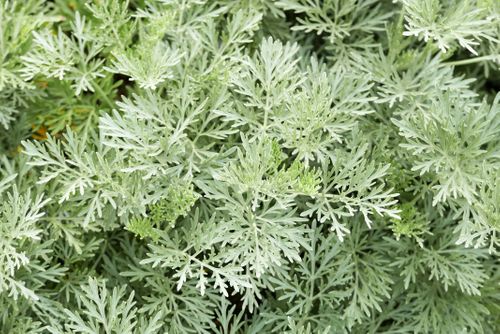
Plant essential oils, that give their leaves an intense fragrance like lavender and mint, have played an important role for thousands of years. In China, fragrant plants like wormwood (like the Artemisia, pictured above) and tansy were often burned to repel mosquitos. The Egyptians used chrysanthemum flowers, with its pyrethrum oil still used in modern mosquito control to this day. Modern techniques of fogging with essential oils have refined these ancient techniques and made them more effective for use around patios, pools, and other outdoor areas.
Three-Step Treatment
Soils Alive follows a regimented, three-step process to deter and disrupt the mosquito lifecycle. The first step is fogging, which sprays a fine mist of essential oils around outdoor landscapes. Female mosquitos, that do the biting, rely on smell and carbon dioxide to detect an animal to bite, whether it's a pet or a human.
Because essential oils have an intense fragrance, they disrupt the mosquito's sensory perceptions. Imagine closing your eyes, and covering your nose, and walking into a restaurant. You wouldn't know where the food was. Mosquitos rely on smell also in order to bite.
The second step is to add a larvicide in drains and areas where water collects, to prevent larvae from hatching. The third step, with our In2Care buckets, actually welcomes adult mosquitos into the bucket, where they make contact with the larvicide, and carry this to other breeding areas nearby, killing the larvae in those areas too.
The frost-free period is when mosquitos are active. North Texas has temperatures above 32 degrees from mid-March until mid-November. Treating for mosquitos from April till November provides full-season protection, with about 15 treatments, every 2 weeks.
Why Not Use Insecticides?
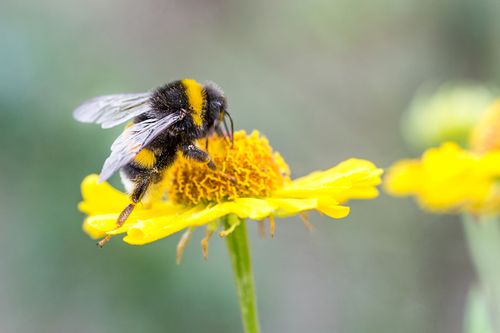
Controlling mosquitos with harsh chemicals comes at a cost. Local native bees face serious declines. The American Mosquito Control Association (AMCA) is learning more about how to avoid harming local bees as part of the North American Pollinator Campaign (NAPPC), and one solution is to interrupt the mosquito lifecycle.
DDT, once said to be safe by chemical manufacturers, was often sprayed in residential neighborhoods into the 1960s, to control mosquitos. How many adults in their 70s remember riding their bikes as a kid, through streets recently fogged with DDT? Today the insecticidal chemicals to control mosquitos include Permethrin, Resmethrin, Sumithrin, and Deltamethrin.
No Eggs.....No Adults
Without standing water, mosquitos cannot survive. Most adult mosquitos live less than 30 days. They must constantly find water to lay eggs. Water in barrels, ornamental ponds, puddles, creeks, ditches, or marshy areas are all fair game. Shady areas, protected from strong winds by tall grass, shrubs, and trees, are also a favorite.
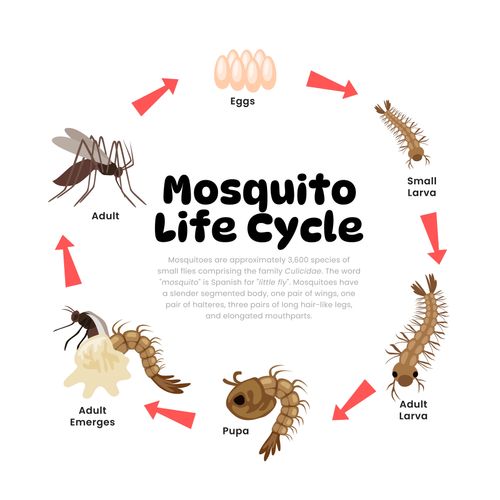
The mosquito lifecycle takes 5-7 days, from the egg being laid to the adult hatching. Water that drains within 4 days cannot support the mosquito lifecycle. Organic mosquito control relies on non-harsh, naturally occuring, non-synthetic chemicals and (beneficial bacteria such as Bt) to interrupt the mosquito lifecycle. Fun fact: adult mosquitos largely feed on the nectar of flowers, but females require the protein in animal blood (like us and our pets) in order to develop the eggs that will continue their "circle of life." Using fewer (or no) harsh insecticides allows more of the fun insects that we love (like fireflies!) to come visit our landscapes.